Gin: What It Is, Styles, Best Bottles & How to Drink It
Gin is a distilled spirit that gets its main flavor from juniper berries, usually alongside botanicals such as coriander, angelica and citrus peel. US rules set a 40% ABV minimum and EU rules set 37.5%, and styles run from classic London Dry to softer, contemporary gins.
51 articles
Updated November 16, 2026

Gin at a Glance
Gin has one big rule and very few others: Juniper has to lead. After that, a distiller can reach for coriander, citrus, rose, cucumber, even seaweed, which is why one bottle can smell like a pine forest and the next like a garden in June.
- Made from
- Neutral spirit, juniper and other botanicals
- Origin
- Dutch roots through genever, developed in England
- Strength
- At least 40% ABV in the US, 37.5% in the EU
- Styles
- London Dry, Old Tom, Plymouth, contemporary, Navy Strength, barrel-aged
- Typical flavors
- Pine, citrus, spice, herbs and flowers
- Calories
- About 98 in a 1.5 oz pour at 40% ABV
Start Here
Browse by Topic
The Basics
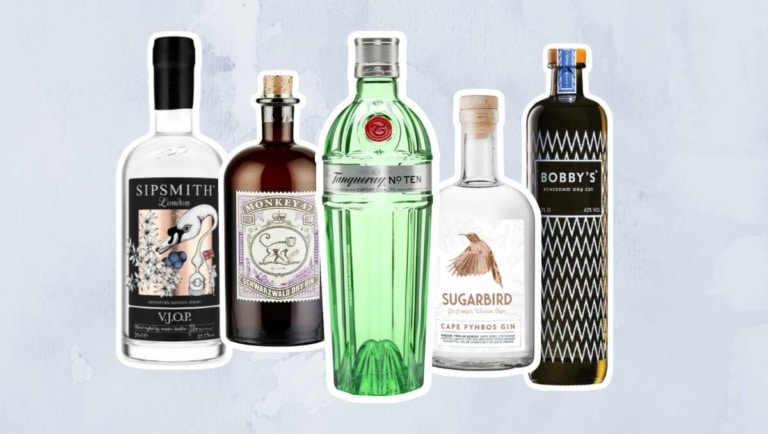
Best Bottles for the Job
Big Names
Head to Head
All Articles on Gin
Every article in this collection, A to Z.
 10 Types of Gin Explained: From London Dry to Old Tom
 9 Best Gin for Gin and Tonic
 A Guide to Bombay Sapphire Gin
 Aviation Gin Review: The American Gin That Helped Define a New Style
 Barrel-Aged Gin: What It Is, How It Tastes & Bottles to Try
 Beefeater Gin: The London Dry That Still Sets the Standard
 Bobby’s Schiedam Dry Gin Review
 Brockmans Gin Review: The Berry-Forward Gin That Divided Gin Drinkers
 Color-Changing Gin: How to Make Butterfly Pea Flower Gin at Home
 Elephant Gin – Flavors from Africa, crafted in Germany
 Elephant Orange Cocoa Gin Review: Tasting Notes, Botanicals & Best Serve
 Elixier Gin Review
 Empress Gin
 Expert Guide to Genever
 Finding The Best Gin for Gin Sour – Tips & Recommendations
 Gin Botanicals Explained: 14 Key Ingredients & How They Taste
 Gin vs Vodka: What’s the Difference?
 Ginebra San Miguel Review: The World’s Best-Selling Gin, Tasted
 Guide to Monkey 47 Dry Gin
 Hendrick’s Gin Review: Botanicals, Taste, Price & Best Serve
 How Is Gin Made? What Gin Is Made From & Distillation Methods Explained
 How Many Calories in Gin? Shot, Ounce & Gin and Tonic (20 Gins Ranked)
 How to Drink Monkey 47 Gin: Neat, With Tonic, and in Cocktails
 How to Make Gin at Home: An Easy Bathtub Gin Recipe (No Still Needed)
 Iron Balls Gin Review
 Monkey 47 Distiller’s Cut 2022 Review
 Monkey 47 Distiller’s Cut 2021
 Monkey 47 Gin Distiller’s Cuts Since 2011 – An Overview
 Monkey 47 vs Hendrick’s vs Bombay Sapphire: Which Gin Is Best?
 New Western Dry Gin: What Contemporary Gin Is & How to Drink It
 Old Tom Gin: The Sweeter Gin Behind the Classic Cocktails
 Plymouth Gin: The Gin That Was Its Own Style
 Seagram’s Gin Review: America’s Gin, Honestly Rated
 Tanqueray vs Beefeater Gin – The Difference
 Tanqueray vs Bombay Sapphire: Which Gin Should You Buy?
 The 12 Best Gin for Martinis in 2026
 The 7 Best Non-Alcoholic Gins of 2026, Tested by Bartenders
 The 8 Best Gin for Bramble cocktails
 The 9 Best Gin for a Negroni Cocktail: A Bartender Guide
 The Best Gin and Tonic Glass
 The Botanist Gin Review: Islay’s Foraged Gin, Explained
 The Global Gin Market in 2026: Sales, Top Brands & Key Trends
 The History of Gin: From Dutch Genever to the Gin Craze & Today
 Ultimate Guide to Gordon’s Gin
 Ultimate Guide to Tanqueray London Dry Gin
 Ultimate Review of Roku Gin
 What Is Bathtub Gin? History, Meaning & How It’s Made Today
 What is London Dry Gin?
 What Is Rail Gin? Well Drinks, House Gin, and the Best Rail Gin Brands
 What Is Sloe Gin? Taste, How It’s Made, and the Best Sloe Gin Cocktails
 What to Mix With Gin: The 13 Best Gin Mixers Besides Tonic
The Types of Gin
Some are legal terms, others are bar shorthand. Our guide to the types of gin goes deeper on each.
London Dry
Fully distilled, no added color, almost no sugar
Juniper first, then citrus and spice.
Pour in: Martinis, Negronis, Gin and Tonics
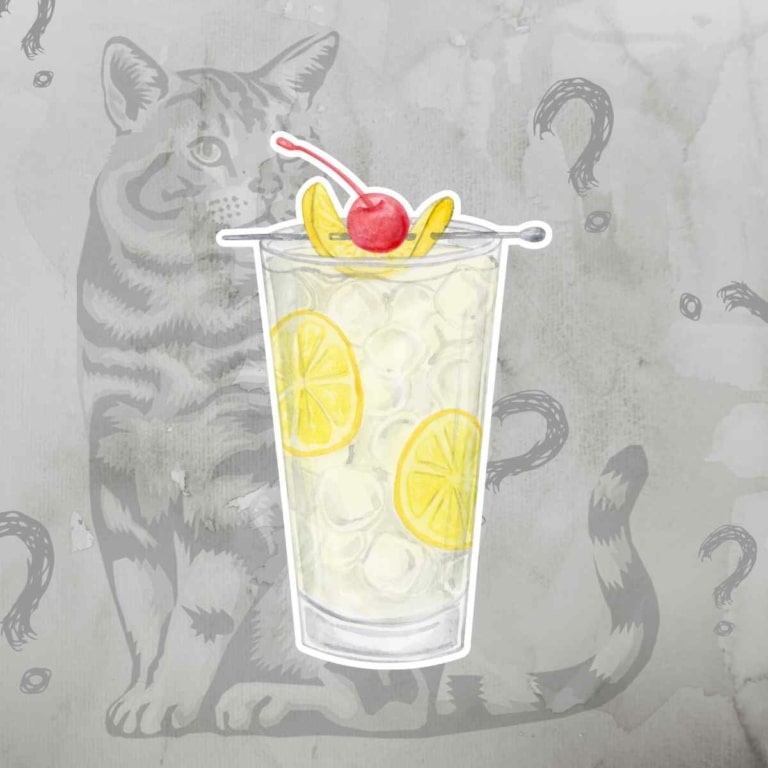
Old Tom
A historic style, usually lightly sweetened
Rounder and softer, with less bite.
Pour in: Tom Collins, Martinez
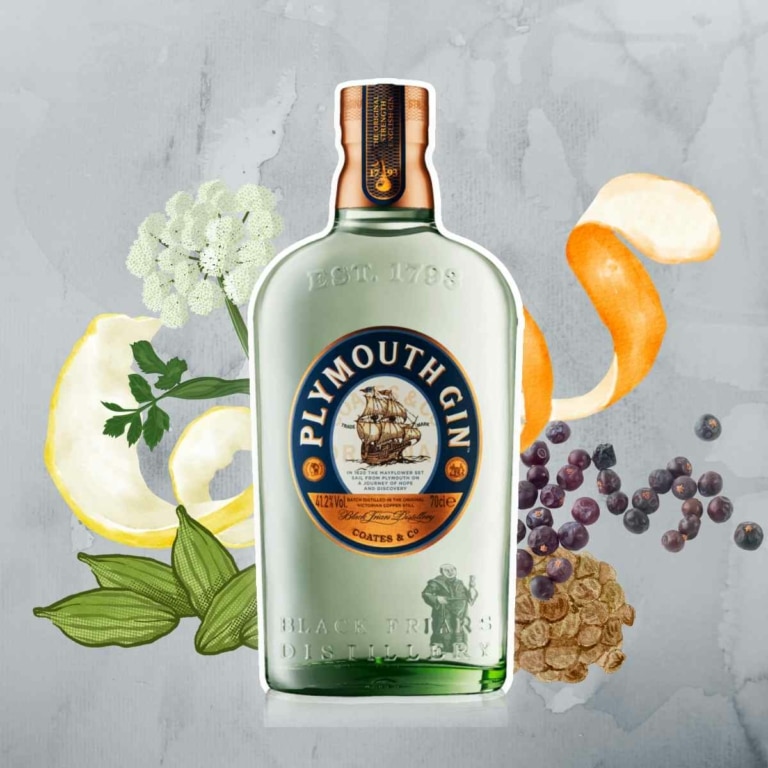
Plymouth
Tied to one distillery in Plymouth, England
Restrained juniper, earthy, citrusy and velvety.
Pour in: White Negronis, Martinis
New Western
Juniper shares the stage with other botanicals
Floral, fruity, herbal or spiced. Also called contemporary.
Pour in: Gin and Tonics, lighter drinks
Navy Strength
Bar term for gin at about 57% ABV
Big and concentrated.
Pour in: Drinks with citrus or a long mixer
Barrel-Aged
Rested in wood
Vanilla and spice over juniper.
Pour in: Martinez, or on its own
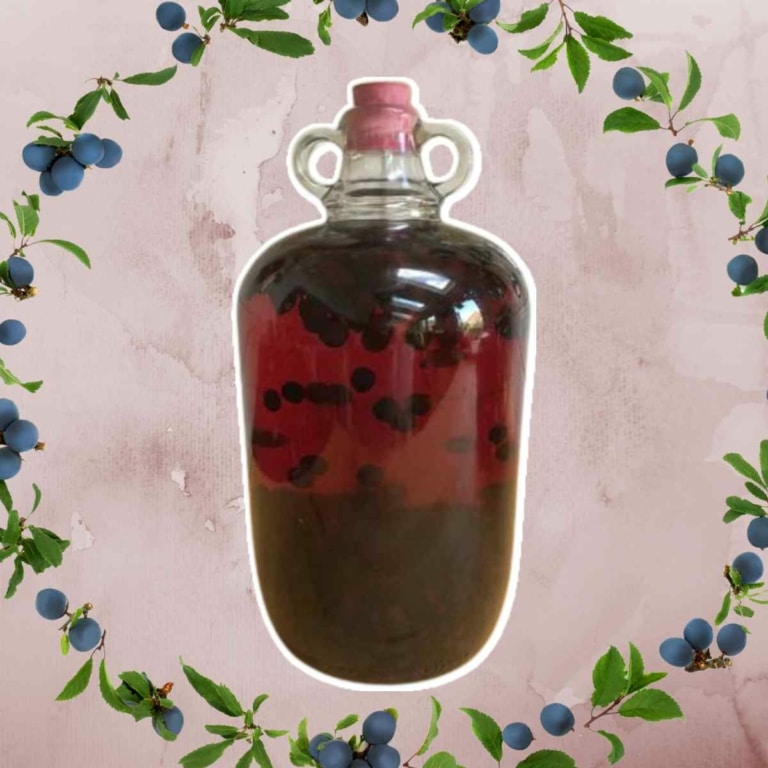
Sloe Gin
A sweet liqueur of sloe berries steeped in gin
Tart, plummy and sweet.
Pour in: Sloe Gin Fizz, or on its own
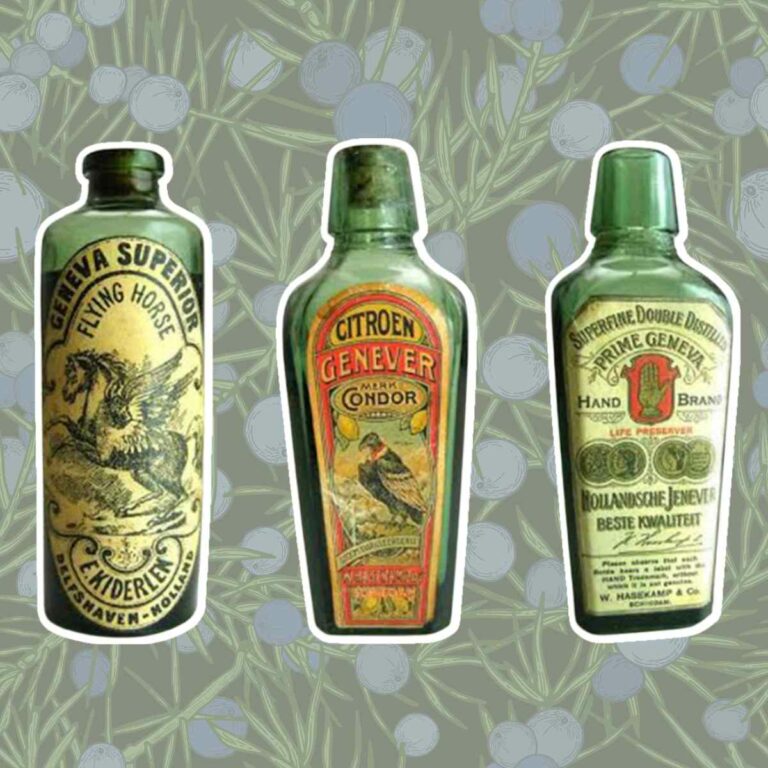
Genever
Gin’s malty Dutch ancestor
Bready, with gentle juniper.
Pour in: Neat, or old-school cocktails
The Bottles We Reach For
The best gin is the one that suits the drink.

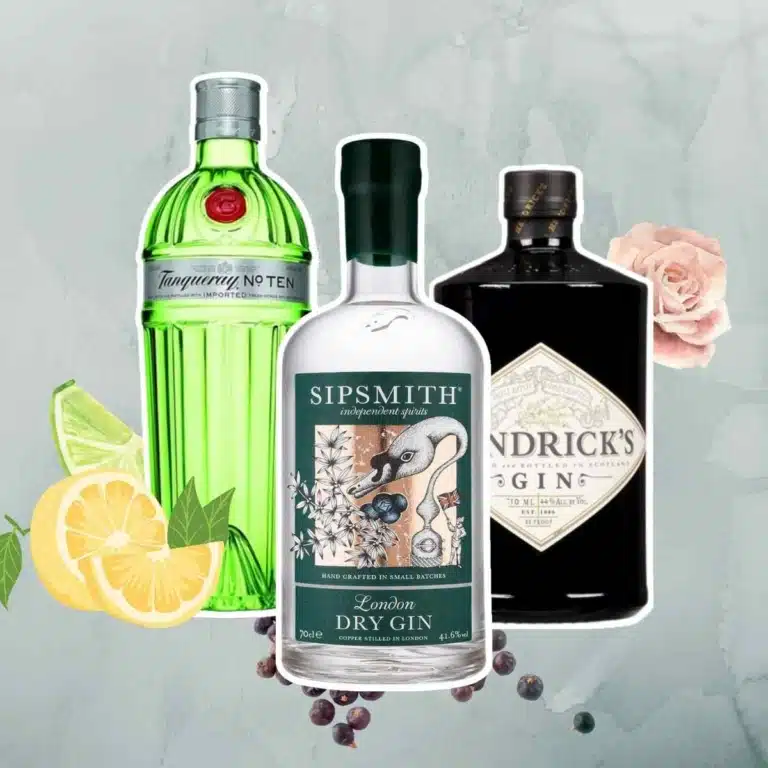
Tanqueray No. Ten
Our top pick for Gin and Tonics and Negronis, with intense juniper and bright citrus.

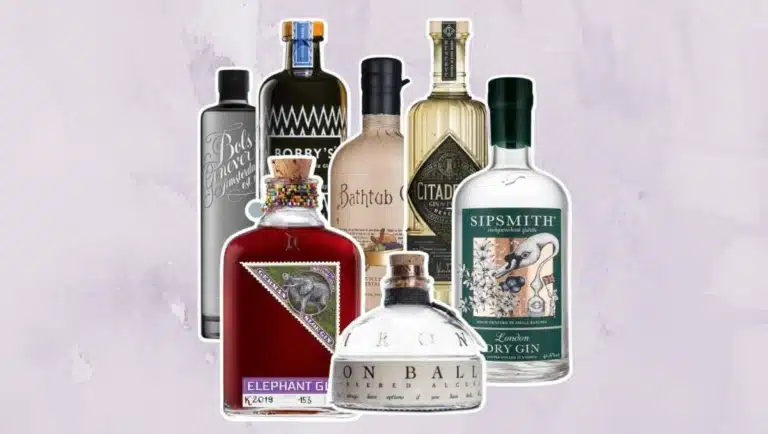
Sipsmith London Dry
Our London Dry pick for Martinis.
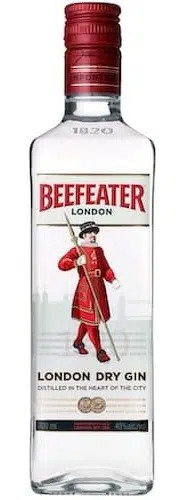
Beefeater
Our budget Martini pick: a classic London Dry at a friendly price.

Hendrick’s
Our New Western pick for Martinis, with rose and cucumber.
For a White Negroni, Plymouth’s softer, earthier profile takes the top spot. Pick by style and drink rather than price: A well-made London Dry from a big producer can outperform a far pricier craft bottle.
Gin Cocktails
If you’re not sure where to begin, you can’t go wrong with these four.

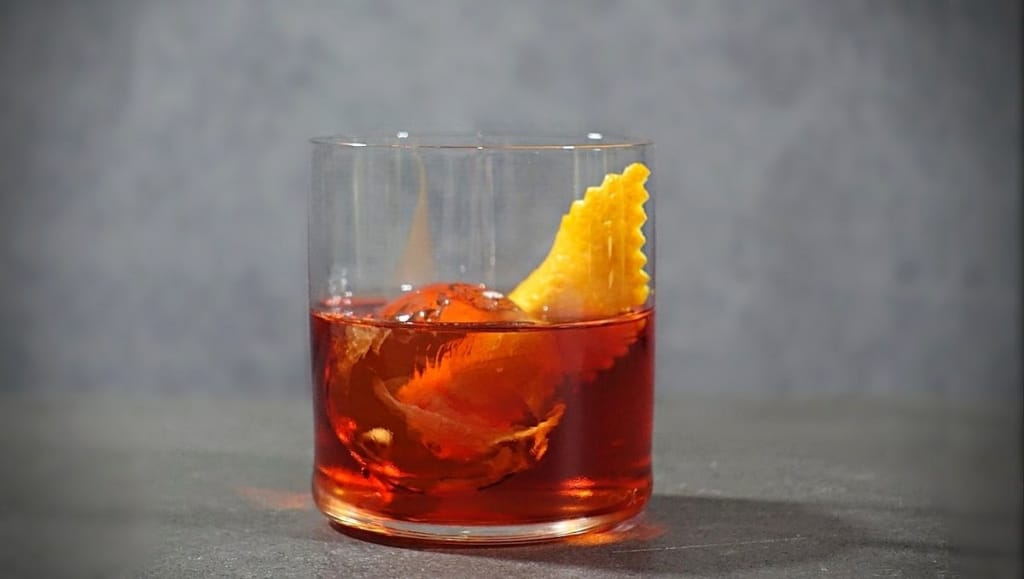

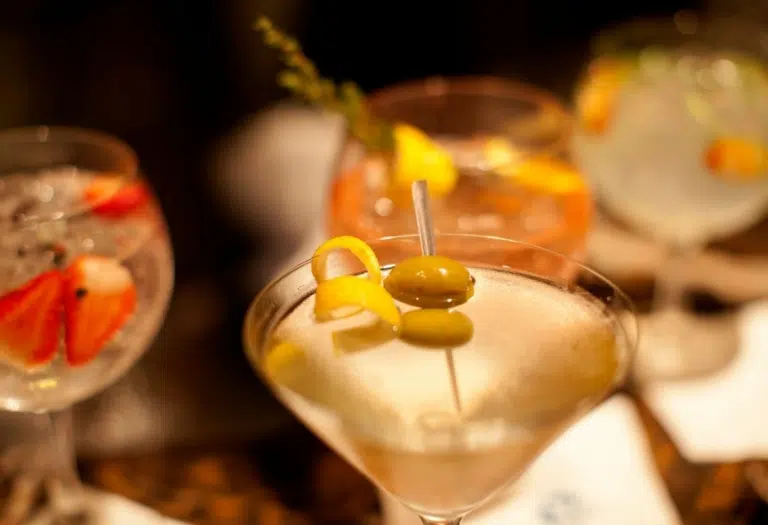
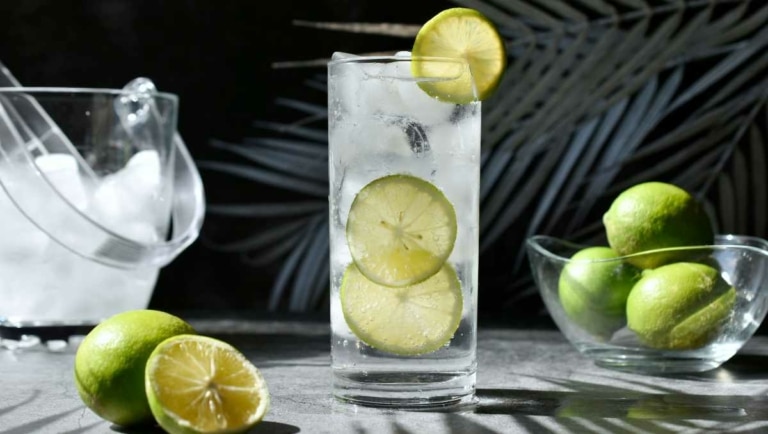
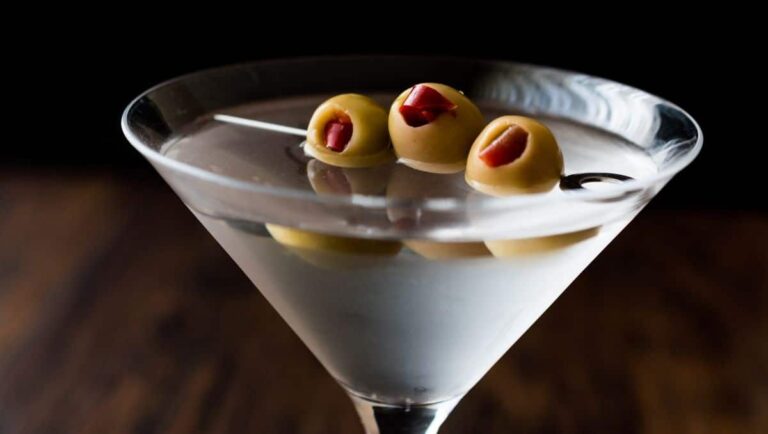
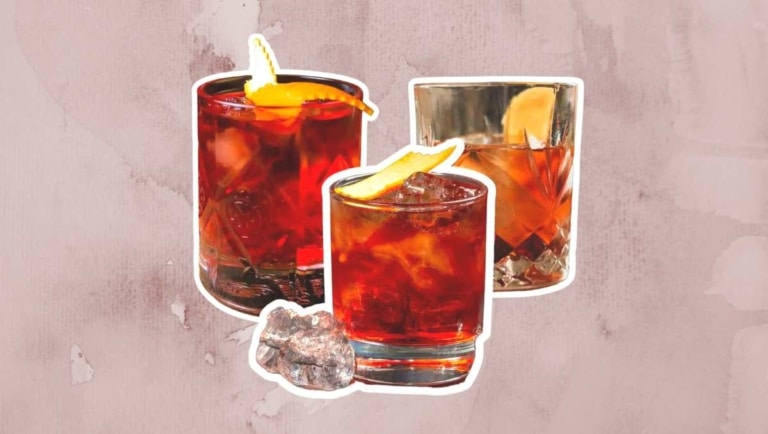
The Short Guide to Gin
What’s in the bottle and how to pour it. Open whatever you’re curious about.
 What Gin Is Made From
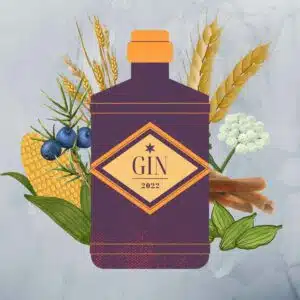
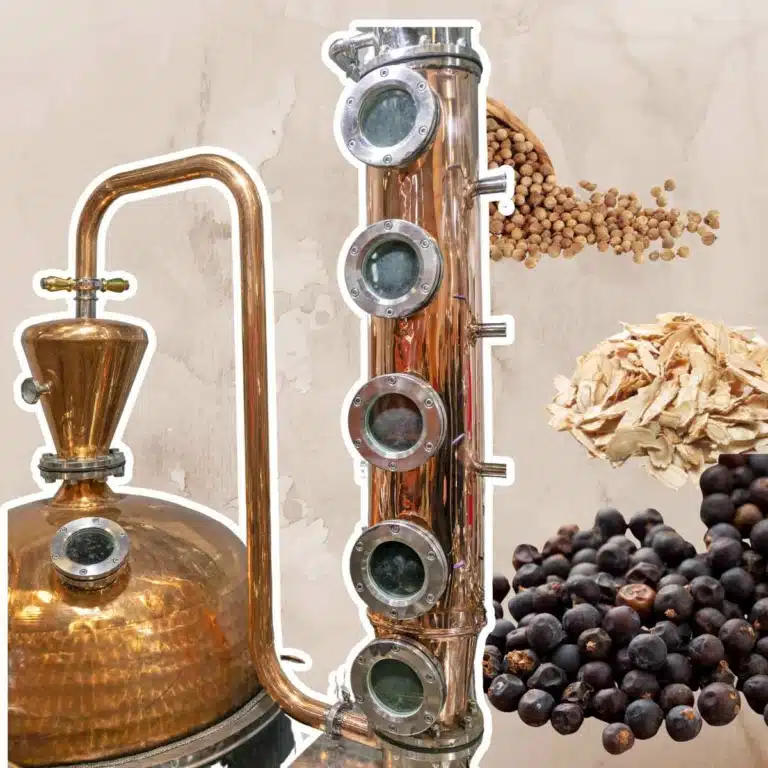
Gin starts as something deliberately blank: a neutral spirit, usually distilled from grain, though grape and potato also turn up. The character comes later, from juniper, the small, piney berry that gives gin its name and its legal identity. Most recipes then build around a familiar supporting cast. Coriander seed brings spice and citrus, angelica root adds an earthy backbone, orris root helps hold the aromas together, and citrus peel keeps things bright.
From there, it’s the distiller’s call. Our guides to what gin is made of and gin botanicals go further into who does what in the mix.
How Gin Is Made
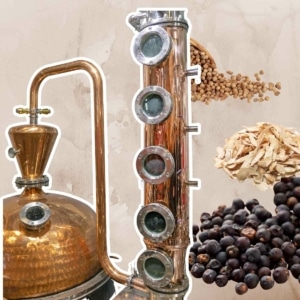
The real question in gin-making is how the botanicals meet the spirit, because that choice shows up in the glass. The classic route is maceration: Botanicals steep in the spirit, often for hours, then go through the still together, which tends to give a fuller, more assertive gin. In vapor infusion, the botanicals sit in a basket above the liquid and the rising vapor carries off their aromas, usually for a lighter, more perfumed result. Vacuum distilling works at lower temperatures to keep delicate aromas intact.
Compound gin skips the second distillation altogether. Botanicals or their extracts simply go into a neutral spirit, the method behind so-called bathtub gin. It’s cheap and easy, and it’s why anyone can make a gin at home. Our full guide to how gin is made walks through each step.
How to Read a Gin Label
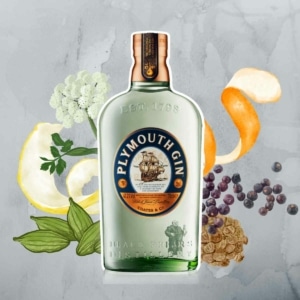
The word to look for is “distilled.” Under US rules, gin must take its main flavor from juniper and be bottled at 40% ABV or higher. Only gin made by original distillation or redistillation can be called “distilled,” “Dry,” “London” or “Old Tom.” So if the label says none of those, you may be holding a compound gin.
EU rules work on three levels. Gin needs at least 37.5% ABV and a predominantly juniper taste. Distilled gin must be redistilled with its botanicals. London gin is the strictest: Everything comes from the still, with no added color and almost no sugar afterward.
Despite the name, London Dry doesn’t have to come from London. It describes how a gin is made, not where.
What Gin Tastes Like
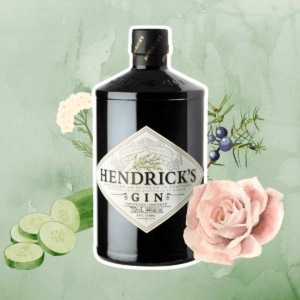
Gin tastes first of juniper: piney, resinous and a little peppery, like a walk through a Christmas tree lot with a lemon in your pocket. A London Dry keeps that front and center, with citrus and spice filling in behind it. Contemporary gins turn the juniper down to let other flavors take over, so Hendrick’s leans toward cucumber and rose while a Roku heads somewhere more Japanese and floral. Add sugar or wood and you’re somewhere else again: Old Tom rounds off the edges, and a barrel-aged gin picks up vanilla and spice.
 How to Drink Gin

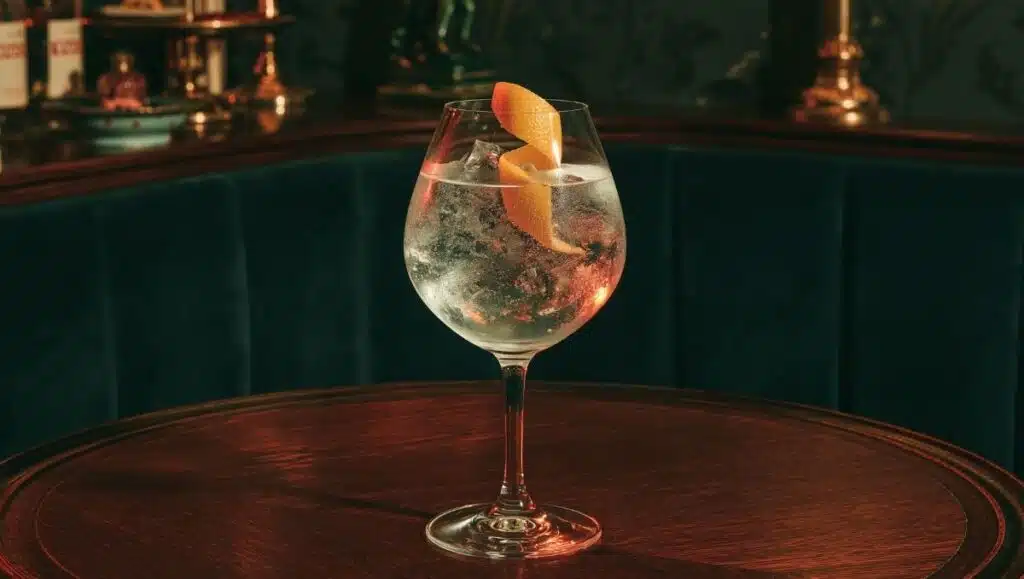
Start with the Gin and Tonic, because it tells you more about a bottle than almost anything else. We like one part gin to three parts tonic, with plenty of ice. Then try a stirred drink: A Martini has nowhere to hide, and a Negroni shows how juniper stands up to bitter Campari. Tonic isn’t the only option, either. Our list of mixers besides tonic has plenty of ideas. Good gin can also be sipped on its own, though few people start there.
Buying and Storing Gin
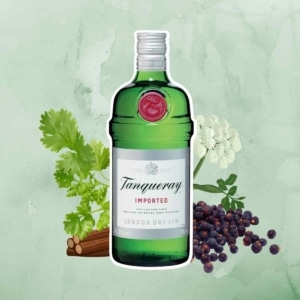
Pick your gin by style and drink, not price. Part of what you pay for at the top end is packaging. Check for “distilled” on the label, and treat a much lower ABV as a warning sign for mixed drinks, where stronger gins hold their flavor better.
At home, keep bottles sealed, upright and out of direct light. There’s no need to refrigerate gin, although a Martini drinker with freezer space may disagree.
A Brief History of Gin
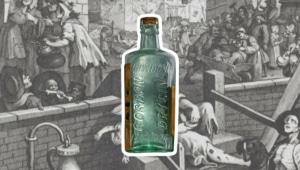
Gin’s story begins with genever, the malty juniper spirit of the Low Countries. (Franciscus Sylvius often gets credit for inventing it, but the records predate him.) It reached England in earnest after the Dutch-born William of Orange took the throne in 1689 and made French brandy harder to get.
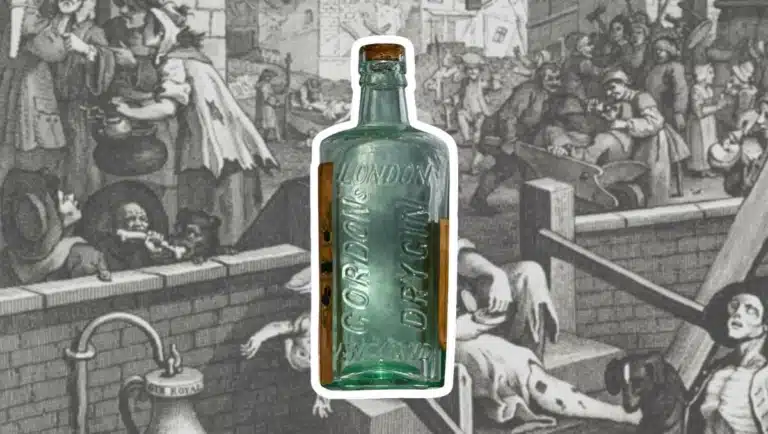
Cheap, barely regulated gin then swept through London in the first half of the 18th century. The Gin Craze inspired Hogarth’s grim Gin Lane, along with a string of laws, and it was the Gin Act of 1751 that finally began to bring it under control. The column still made cleaner spirit possible in the 19th century, paving the way for the dry style we know today, and the craft boom of the past two decades did the rest.
Gin vs. Vodka
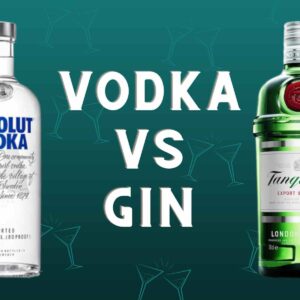
Gin and vodka are closer relatives than their flavors suggest. Both can start from the same neutral spirit, but vodka aims to stay neutral, while gin gets its character from juniper and other botanicals. In a cocktail, that’s the difference between a backdrop and a lead. Our vodka vs. gin comparison goes through the details.
Gin FAQ
What is gin made from?
What does gin taste like?
What is the difference between gin and vodka?
What is London Dry gin?
How is gin made?
Does gin go bad?
How many calories are in gin?
What mixes well with gin besides tonic?
Legal facts on this page come from US federal rules and EU Regulation 2019/787.
Never miss a drop
Receive our latest recipes, reviews, and insights straight to your inbox.