Tequila: What It Is, Types, Best Bottles & How to Drink It
Tequila is a Mexican spirit distilled from the cooked, fermented hearts of blue Weber agave. Under Mexican rules, it can only be made in 181 municipalities across five states, and it’s classed by age as blanco, joven, reposado, añejo or extra añejo.
9 articles
Updated November 1, 2026

Tequila at a Glance
Few spirits have traveled further from their reputation. For a generation of drinkers, tequila was a dare: a shot, a lick of salt, a wince. Pour a good one slowly, though, and the story changes.
- Made from
- Blue Weber agave
- Origin
- All of Jalisco, parts of four other states
- Strength
- 35–55% ABV in Mexico, at least 40% in the US
- Classes
- Blanco, joven, reposado, añejo, extra añejo
- Typical flavors
- Cooked agave, citrus, pepper, earth
- Calories
- About 98 in a 1.5 oz shot at 40% ABV
Start Here


Mezcal vs. Tequila
Two agave spirits that are often confused, and what actually separates them.
Read article
A Guide to Patrón Tequila
The full range of one of the world’s best-known tequila brands, bottle by bottle.
Read articleAll Articles on Tequila
Every article in this collection, A to Z.
 8 traditional Mexican Spirits
 A Guide to Patrón Tequila
 A Guide to Sotol – A Mexican Spirit Made of the Sotol Plant
 Mezcal vs Tequila – What is The Difference?
 Spicy Jalapeño Infused Tequila – How to Make it at home
 Teremana Tequila Reviews by Spirits Experts
 The 12 Best Tequila for Margaritas, Chosen by Bartenders
 The 5 Types of Tequila, Plus Cristalino
 Zafiro Añejo Tequila
The Five Types of Tequila
Time in oak does most of the work. Our guide to the types of tequila goes deeper on each.
Blanco
Unaged, or under two months
Bright agave, citrus, pepper. Also sold as plata or silver.
Pour in: Margaritas, Palomas, highballs
Joven
Blanco blended with aged tequila, or softened with additives
Often softer and sweeter. Also sold as oro or gold.
Pour in: Mixed drinks; check for “100% agave”
Reposado
At least two months in oak
Cooked agave with light vanilla and spice.
Pour in: Richer Margaritas, or on its own
Añejo
At least one year in oak
Caramel, vanilla, oak, baked agave.
Pour in: A sipping glass, Old Fashioned riffs
Extra Añejo
At least three years in oak
Deep oak, dried fruit, spice.
Pour in: A sipping glass, slowly
Cristalino has plenty of fans, but it isn’t one of the five legal classes. Most are aged tequilas filtered to strip out the color.
The Bottles We Reach For
The best tequila is the one suited to the job.

Fortaleza Blanco Still Strength
46% ABV. Rich and punchy, for a Margarita with some muscle.

Siete Leguas Blanco
40% ABV. An earthy mixing blanco with sweet agave and pepper.

G4 Blanco de Madera
45% ABV. A limited release, delicate with agave and minerals.

La Gritona Reposado
40% ABV. Our favorite reposado for mixing: cooked agave, vanilla and spice.
Fame is a poor guide here. A famous founder or a striking bottle tells you little about what’s inside, so judge by category, class and producer.
Tequila Cocktails
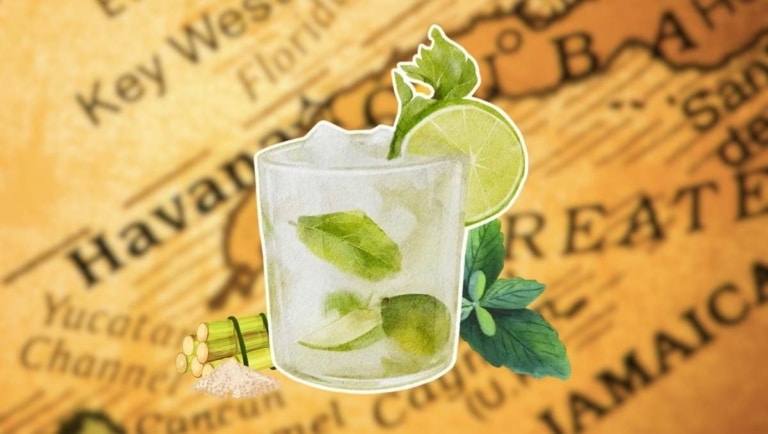
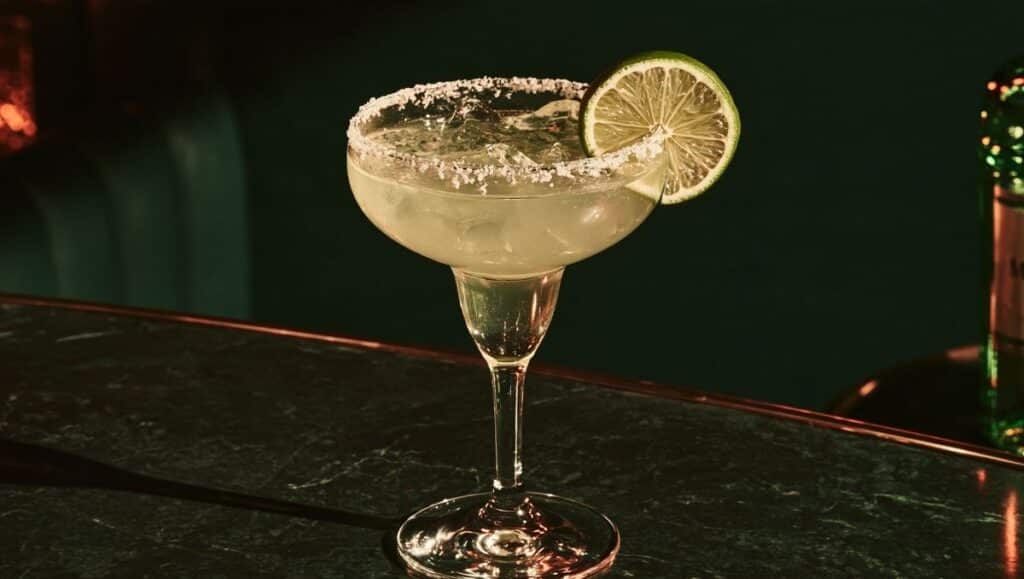
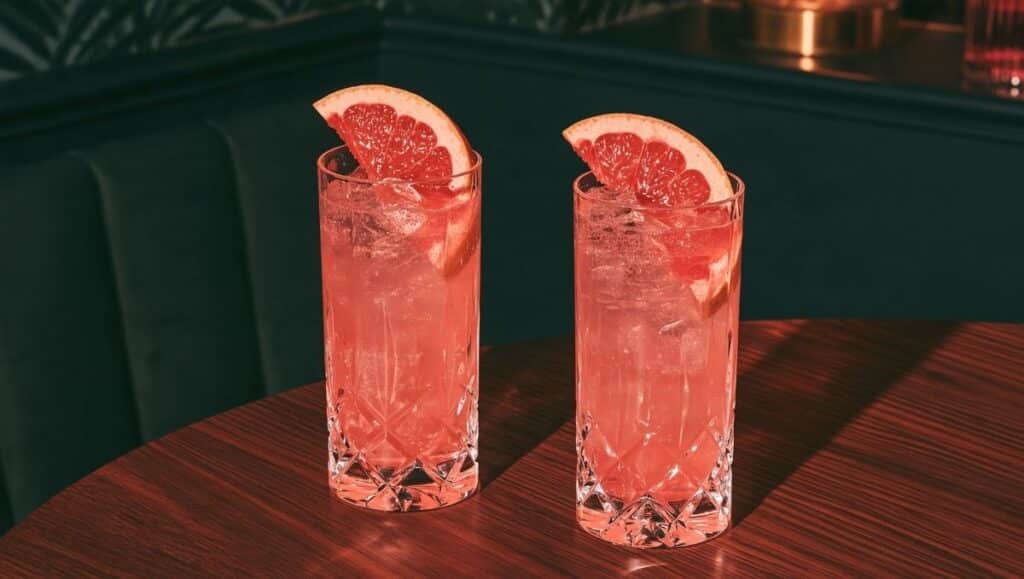
If you’re not sure where to begin, you can’t go wrong with these four.


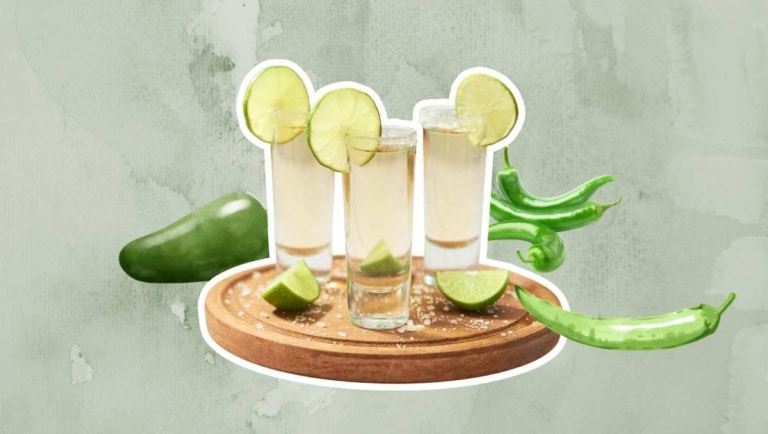
Spicy Jalapeño-Infused Tequila
Your own spicy bottle for sharper Margaritas, ready with a few simple steps.
Make it at home
The Short Guide to Tequila
What’s in the bottle and how to pour it. Open whatever you’re curious about.
 What Tequila Is Made From
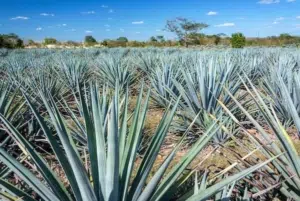
Tequila starts with a single plant: blue Weber agave, the only species Mexico’s standard allows. It takes its time, usually five to eight years, storing up the starches that will eventually become alcohol. Once it’s ripe, jimadores (the field workers who harvest by hand) slice off its spiky leaves with a long-handled blade called a coa, leaving a heart, or piña, that looks like an oversized pineapple.
Geography leaves its mark, too. Agave from the highlands of Los Altos tends toward sweet, fruity tequila, while the lowlands of El Valle lean earthy and herbal. The key word is “tends.” A distiller’s choices can easily outweigh the address.
 How Tequila Is Made
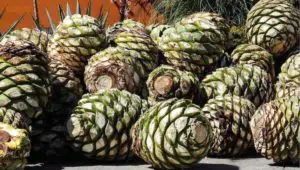
Everything after the harvest is a series of choices, and you can taste most of them. The piñas cook first, which turns their starches into fermentable sugar. Traditional brick ovens (hornos) do this slowly and steel autoclaves do it faster, while diffusers, the most industrial route, extract the starches before they’re converted at all.
The cooked agave is then crushed, either by roller mills or, at more traditional houses, under a tahona, a massive volcanic stone wheel. Yeast ferments the juice in steel or wood, and the liquid usually goes through the still twice: The first run yields a spirit called ordinario, and the second yields tequila. Blanco can go straight into the bottle. Aged styles head for oak, most often used American whiskey barrels, which supply much of their vanilla and caramel.
 How to Read a Tequila Label
The words that matter most are “100% agave.” Under the Mexican standard, they mean every bit of sugar came from blue Weber agave, and the tequila must be bottled in the denomination’s territory at a plant the producer controls. Without them, as little as 51% of the sugar has to come from agave. The rest can come from other sources, which is the style drinkers call mixto.
Then look for the NOM, the producer’s registration number. Several brands can share one, which makes it a handy way to see which bottles come from the same distillery.
The label won’t tell you everything. The standard allows up to 1% of a tequila’s weight in mellowing additives, known as abocantes: caramel color, natural oak extract, glycerin and sugar-based syrup. Its definition of blanco excludes them, but aged classes can contain them. “Additive-free” has no legal definition and the term has been disputed, so ask how a brand backs up the claim.
 What Tequila Tastes Like
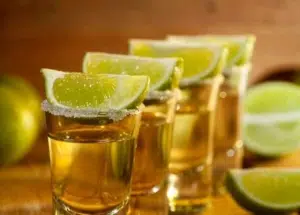
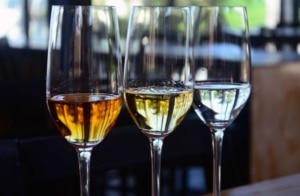
Cooked agave is the flavor that sets tequila apart: sweet and vegetal, with a little earth underneath. Blanco serves it straight, usually with citrus and a crack of black pepper. Reposado keeps the agave and adds a soft layer of vanilla and spice. By the time you reach añejo and extra añejo, the conversation has shifted to caramel, oak and dried fruit, closer to aged rum or Cognac. The best ones never lose the plant entirely.
 How to Drink Tequila

Start by skipping the salt and lime, at least once. In Mexico, good tequila is often sipped slowly, traditionally from a narrow glass called a caballito, although a tulip-shaped glass shows off an añejo’s aromas better. Otherwise, tequila is one of the easiest spirits to mix. Soda water and lime will do, grapefruit soda makes a shortcut Paloma, and from there, the cocktail hub is yours to work through.
 Buying and Storing Tequila
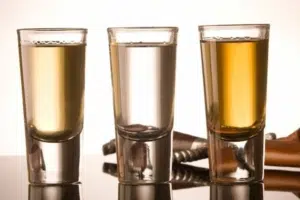
Buying 100% agave is the single easiest upgrade you can make. After that, match the class to the drink: blanco for anything bright, reposado for something rounder and añejo for the sipping glass. A higher price often pays for age, packaging or marketing, so don’t take it as proof of a better spirit.
At home, keep bottles upright, sealed and away from heat and direct light. Unlike wine, tequila stops changing in any meaningful way once it’s bottled, so there’s no reason to save a good one for a decade.
A Brief History of Tequila
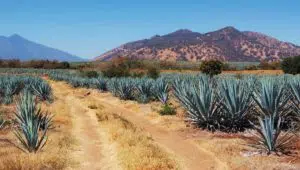
Tequila’s roots run through pulque, the low-alcohol fermented agave drink made in Mexico long before the Spanish arrived. Distillation came with the colonists, and the spirits that followed became known as vino de mezcal. In 1795, Spain’s King Carlos IV granted José María Guadalupe de Cuervo a license to produce and sell it, generally considered the first such license. Tequila gained legal protection when Mexico published its general declaration on December 9, 1974. In 2006, UNESCO added the agave fields and old distilleries around the town of Tequila to its World Heritage list.
 Tequila vs. Mezcal
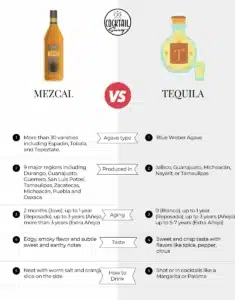
All tequila started out under the broad banner of vino de mezcal, but the two are now separately protected spirits. Tequila must use blue Weber agave, while mezcal has its own denomination and can draw on other species. Mezcal’s signature smoke comes from the traditional practice of roasting agave in pits. Our full comparison covers the rest.
Tequila FAQ
What is tequila made from?
What’s the difference between blanco, reposado and añejo?
Is tequila a type of mezcal?
Does tequila go bad?
How many calories are in a shot of tequila?
Does tequila have sugar?
What should I mix with tequila?
Legal facts on this page come from the official Mexican standard, NOM-006-SCFI-2012, the CRT and US federal rules.
Never miss a drop
Receive our latest recipes, reviews, and insights straight to your inbox.