





Quick answer: Sloe gin is a ruby-red British liqueur made by steeping sloe berries (the fruit of the blackthorn bush) in gin with sugar for several months. It tastes sweet-tart, like plum and cherry with a hint of almond. In the EU and UK, it must be at least 25% ABV, compared to gin’s 37.5% minimum. Drink it neat, with tonic, topped with Champagne, or in a Sloe Gin Fizz.
When people hear about sloe gin for the first time, most assume it’s just another style of gin flavored with sloe berries. That’s partly right, but there’s more to it. Sloe gin is a liqueur, with a long country tradition in Britain, and it’s been a classic cocktail ingredient for well over a century.
It’s also one of the best bottles you can have in your bar from autumn through Christmas. Here’s everything you need to know: what it is, how it tastes, how to make it at home, and what to mix it with.
What is sloe gin?
Sloe gin is a gin-based liqueur made by macerating sloe berries in gin and sweetening it with sugar. The result is a deep ruby, berry-flavored, sweet liqueur with less alcohol than gin.
Under EU law, which the UK has kept, sloe gin is its own category: a liqueur produced by macerating sloes in gin, sometimes with added sloe juice, with a minimum strength of 25% ABV. It’s the only liqueur allowed to use the word “gin” in its name without “liqueur.” That’s why you’ll see “sloe gin” on the label, never “sloe gin liqueur.”
What are sloe berries?
Sloes are the small, blue-black fruit of the blackthorn (Prunus spinosa), a thorny wild relative of the plum. They grow in hedgerows across Britain and much of Europe and ripen in early autumn. Each one is about the size of a large blueberry, with a dusty bloom on the skin and a single stone inside.
Raw sloes are famously unpleasant. Eat one fresh and it’ll dry out your whole mouth: they’re extremely sour and astringent, full of tannins. That’s exactly why people found ways to preserve them in alcohol and sugar.
The history of sloe gin
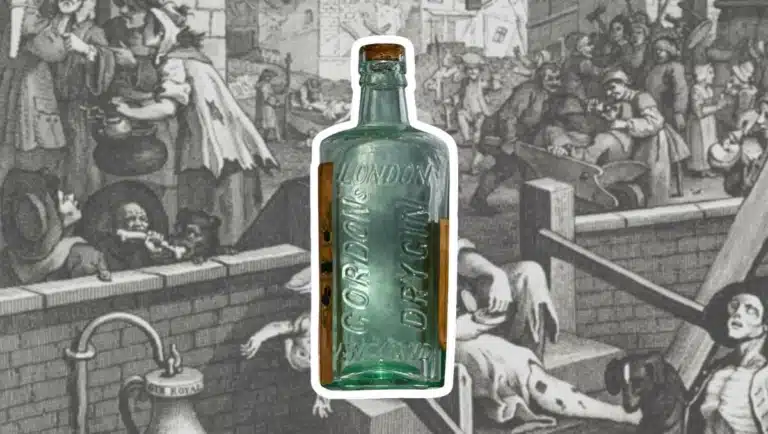
Sloes were growing everywhere in England, so country households experimented with ways to make them taste better. Sloe gin became a homemade favorite in the 18th and 19th centuries.
That had a lot to do with the Enclosure Acts. Between roughly 1750 and 1850, Parliament divided much of England’s common land into private fields, separated by hedges, many of them blackthorn. The result was a huge surplus of sloes.
Country people learned two things. First, picking sloes after the first frost softens their harshness. Second, steeping them in alcohol with sugar turns them sweet, rich, and almost raisin-like. Commercial sloe gins followed in the late 19th century.
British writers often say sloes were preserved in gin because juniper and coriander complement the fruit so well. Honestly, though, the real reason was probably that gin was cheap and available everywhere in England at the time.
What does sloe gin taste like?
Sloe gin tastes sweet and tart, like a mix of plum, cherry, and cranberry, with a hint of almond and a gentle bitterness. Its aroma is very different from classic gin: a distinctive sour-berry note that reminds me of cranberry or pomegranate. On the palate, rich sweetness meets sourness for a tart flavor that highlights the sloe. The almond note comes from the stones, which release a subtle marzipan flavor during maceration. Juniper is in the background, if you can pick it out at all.
Quality varies a lot. Good sloe gins taste of real fruit and are balanced. Cheap ones, especially some artificially flavored U.S. bottlings, can taste like cough syrup.
Sloe gin vs gin
Gin is a dry distilled spirit; sloe gin is a sweet liqueur made from gin. Apart from taste and color, that’s the most important difference.
| Gin | Sloe gin | |
|---|---|---|
| Type | Distilled spirit | Liqueur |
| Color | Clear | Ruby red to deep purple |
| Minimum ABV | 37.5% (EU), 40% (U.S.) | 25% (EU and UK) |
| Typical ABV | 40–47% | 25–30% |
| Sweet? | No | Yes |
| Made by | Distillation with botanicals | Macerating sloes and sugar in gin |
| Lead flavor | Juniper | Sloe (plum, cherry, almond) |
| Best in | Martini, G&T, Negroni | Sloe Gin Fizz, with Champagne, neat |
How much alcohol is in sloe gin?
Most sloe gins are 25–30% ABV; a few go higher. In the EU and UK, 25% is the legal minimum. Plymouth Sloe Gin is 26%, Sipsmith Sloe Gin 29%, and Elephant Sloe Gin goes up to 35%. In the U.S., there’s no specific legal standard for sloe gin, so some mass-market bottles are lower-proof and use artificial flavoring. Check the label.
How is sloe gin made?
Sloe gin is made by pricking ripe sloes, combining them with gin and sugar, and leaving them to steep for at least three months. It isn’t complicated, and you can make it at home. The hardest part is picking and preparing the berries.
How to make sloe gin at home
Ingredients
- 450 g (1 lb) ripe sloes
- 225 g (1 cup) white sugar (start with less if you like it drier; you can sweeten later)
- 70 cl (about 3 cups) gin, a decent London Dry such as Beefeater or Gordon’s
Instructions
- Pick after the first frost, usually October to November. If they’re ripe before a frost, pick them and freeze them overnight. Freezing splits the skins the same way.
- Prick each berry with a needle or the tines of a fork. Traditionally people used a blackthorn thorn. (Skip this if you froze them.)
- Combine the sloes, sugar, and gin in a large sterilized jar or bottle. Seal tightly.
- Shake daily for the first week until the sugar dissolves, then once a week.
- Wait at least three months, ideally longer. Started in October, it’s ready for Christmas.
- Strain through a fine sieve or muslin, then bottle. It keeps for years and keeps improving.
Don’t throw away the berries. Gin-soaked sloes can be dipped in chocolate or added to a fruit cake, and some people put them in cider to make “slider.”
The best sloe gin brands
- Plymouth Sloe Gin (26%): The classic, made to a recipe the distillery dates to 1883. Rich, fruity, and well balanced. Learn more about Plymouth Gin.
- Sipsmith Sloe Gin (29%): A seasonal release from the London distiller, with fresh fruit and a pleasant tartness.
- Hayman’s Sloe Gin: A well-priced, traditional English bottling.
- Elephant Sloe Gin (35%): Higher in alcohol than most, from the German-made Elephant Gin.
How to drink sloe gin
Neat
Sloe gin is delicious on its own, at room temperature or lightly chilled, in a small glass after dinner. It’s a winter warmer and a classic in British homes at Christmas.
Sloe gin and tonic
Use a split base and lighter tonic for the best Sloe G&T. Combine 1 oz gin and 1 oz sloe gin with 4 oz classic tonic water over ice. Or use only sloe gin and pair it with a lemon tonic, such as Fever-Tree’s Sicilian Lemon Tonic. Garnish with lemon or orange. For the classic version, see our Gin & Tonic.
Sloe Gin Royale
Add ½ oz (15 ml) sloe gin to a flute and top with chilled Champagne or another dry sparkling wine. The tart berry flavor makes it a great Christmas aperitif. For more festive gin drinks, try our Holiday Gin Sour or Winter Mandarin Gin Sour.
Sloe Gin Fizz
The Sloe Gin Fizz is the best-known sloe gin cocktail. Like a classic Gin Fizz, it’s refreshingly bubbly and tangy, but the sloe gin makes it fruitier, warmer, and ruby pink.
Ingredients
- 1½ oz (45 ml) sloe gin
- ½ oz (15 ml) London Dry gin (optional, for a drier, stronger drink)
- ¾ oz (22.5 ml) fresh lemon juice
- ½ oz (15 ml) simple syrup
- 1 egg white (optional, for foam)
- Chilled soda water, to top
Instructions
- Add everything except the soda to a shaker. If using egg white, dry-shake first without ice.
- Add ice and shake hard for 10–12 seconds.
- Strain into a chilled highball glass without ice.
- Top with soda water and garnish with a lemon wheel.
More sloe gin cocktails
- Sloe Negroni: Swap the sweet vermouth for sloe gin: equal parts gin, sloe gin, and Campari. It comes out brighter and more acidic than the classic. See our Negroni.
- Sloe Gin Cocktail: Our house version stirs 2 oz sloe gin with ¼ oz dry vermouth and a dash of orange bitters, strained into a chilled glass with an orange zest. Older recipes use both dry and sweet vermouth.
- Sloe Comfortable Screw: A 1970s classic of sloe gin, Southern Comfort, and orange juice over ice. Fun, fruity, and very retro.
Browse more cocktail recipes.
What food goes with sloe gin?
Sloe gin pairs best with rich, savory food and cheese. Try it with hearty dishes of beef or venison, which love tart fruit. It’s also excellent with cheese, especially a strong Stilton or aged cheddar. And in winter, it’s lovely with Christmas pudding, mince pies, or dark chocolate.